School projects run on a bond calendar, and the calendar does not bend. Once voters approve a bond, the district has a list of buildings, a number for each and a date by which the building has to be ready for students, usually the first day of an August semester. We build education facilities around Broken Arrow and across the Tulsa metro with that date in the front of the schedule and everything else arranged behind it.
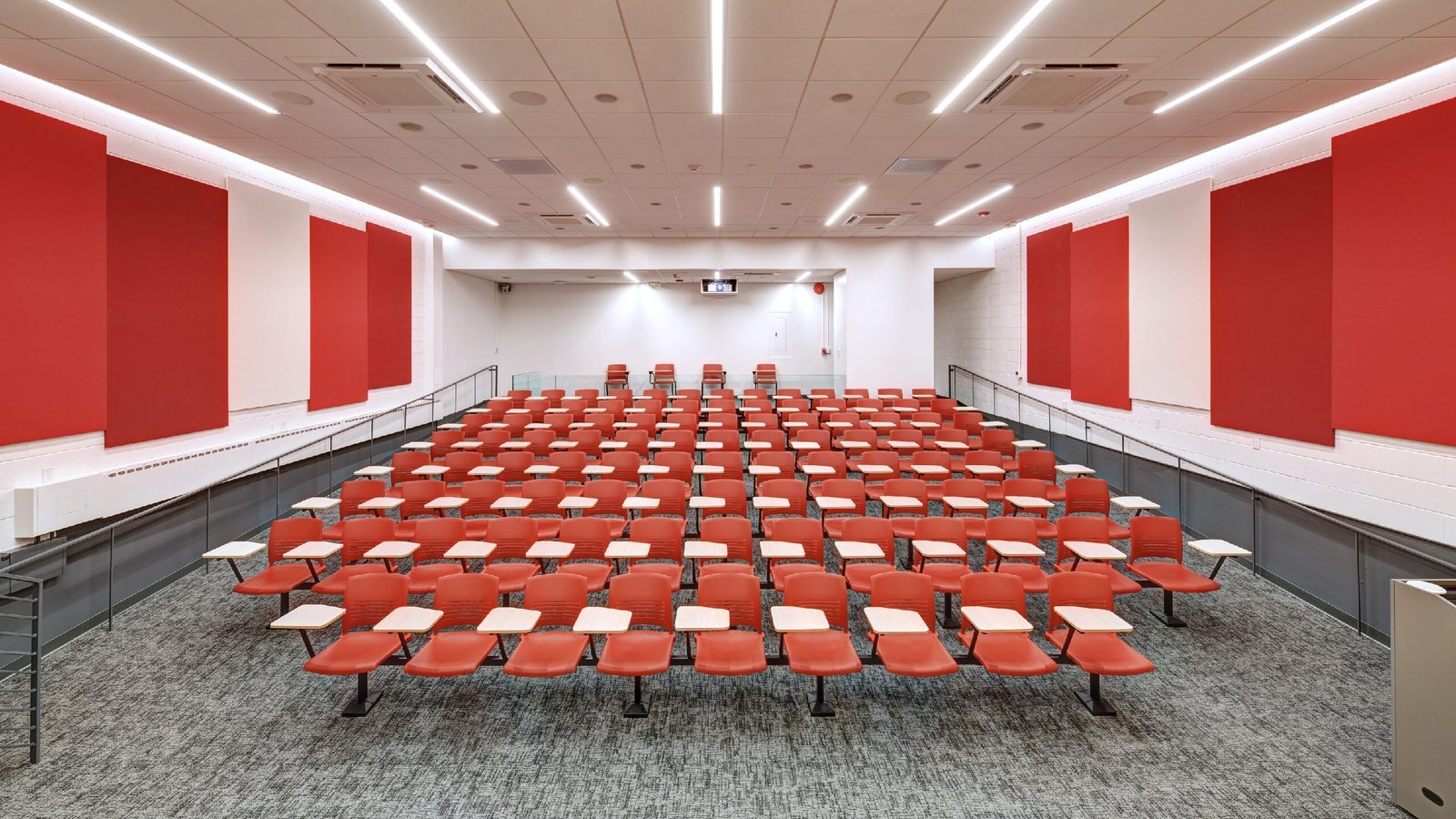
The range includes elementary and middle school additions, classroom wings, gymnasiums and fine arts centers, career-technology labs, college buildings and early-childhood centers. Each kind of building has its own priorities. A gymnasium needs a long-span roof and a floor that can take heavy use. A career-technology shop needs power, compressed air, exhaust and floors that handle welding, machining and diesel service. A classroom wing needs acoustics, daylight and secure entries.
This page explains how we plan around the academic calendar, the community's expectations and the public-works rules that apply to schools in Oklahoma.
Career-tech shops and growing districts
Education construction in the metro is shaped by institutions with long histories and growing programs. Tulsa Tech's Broken Arrow campus at 4000 West Florence Street sits on 53 acres, opened in 1983 as the Southeast Campus and offers programs in CNC machining, mechatronics, welding, drafting and design, diesel service, collision repair and truck driver training. Those programs mean shops and labs with real equipment, dust collection, heavy electrical service and floors designed for machinery, which is a different kind of building than a classroom wing.
Public school districts around the metro also grow steadily. Wikipedia reports that Bixby Public Schools has nine schools, including Bixby High School, in a city with the highest per capita income in the Tulsa metropolitan area. We watch how districts in the area plan expansions, as each one's growth tends to arrive as a sequence of projects, not a single building. Our Broken Arrow education campuses page gives more context for the corridor around Florence Street.
Working back from the first day of class
The most important date on a school job is the first day of class. We build the schedule backward from it, with milestones for a dried-in building, interior rough-in, final inspections and the owner's move-in. Roofs and exterior walls have to be closed before interior finishes begin, so summer is a pressure point: work performed from May through August needs to complete as much of the occupied-campus work as possible when students are away.
When a project is an addition to an occupied school, we keep construction traffic away from bus lanes and pickup lines, and we schedule noisy work around testing weeks. Our municipal and government construction practice shares these habits, since both deal with public owners and public scrutiny. Where an older building is being replaced, the trade partners for demolition plan the removal in stages that keep the campus functioning.
Campus safety and storm shelters
The people on a school site include children, staff and neighbors, and safety is the first priority. We separate the construction zone with fencing, keep gates controlled and supervise deliveries. Background checks and badges for workers on campus are standard on school projects, and we confirm each district's rules before mobilization.
Weather is another safety factor in Oklahoma. A tornado struck Sand Springs on March 25, 2015, according to Wikipedia, killing one resident and injuring 30 people. Cases like that are part of why storm shelters and safe rooms often appear in school designs in this region. We coordinate the structural, mechanical and door hardware requirements for those spaces with the design team, and we check each element against the engineer's details before concrete is poured.
What a school package includes
A typical school package includes site work, concrete foundations, structure (steel, masonry or tilt-up, depending on the design), roofing, exterior walls, interior framing and finishes, mechanical and electrical systems, technology, kitchens, athletic spaces and a parking and drop-off area. Safety and security get special attention: controlled entries, secure vestibules, camera and access control conduit and lockdown hardware.
Many projects also include a school building program that depends on the grade level, with early elementary classrooms needing restrooms inside, middle schools needing larger commons areas and high schools needing athletic and performance spaces. We also pay close attention to how education owners buy: as a public entity under the state's bidding rules, or as a private or tribal institution with its own approach. Our work with education institutions addresses both.
Public building rules and the state code
Oklahoma law says that plans and specifications for public buildings erected by the state, a state agency or a political subdivision, or with public funds, must provide facilities for people with disabilities and elevators to the extent deemed feasible and financially reasonable by the contracting authority, conforming to standards adopted by the State Fire Marshal. When an older building is expanded, the rule can apply to the existing building if the addition increases the floor area by 25 percent or more within twelve months. That affects how we scope a classroom wing added to an older school.
The 2024 International Building Code is the state's commercial minimum effective September 14, 2026, and fire protection follows the 2024 International Fire Code. A district may have its own design standards on top of that, and we read the district's guidelines for materials and warranty terms before pricing.
Where we build education projects
We deliver education projects for owners in Broken Arrow and nearby cities, and we are comfortable working in campuses that share road networks with turnpikes, expressways and busy intersections. A project near a campus along the Sand Springs or Bixby edge of the metro may face different traffic, utility and permit situations than one within Broken Arrow, and we plan for each.
Student housing and dormitory work is covered separately under our student housing construction page, which addresses the particular demands of residence halls and off-campus apartments.
Plan around the school calendar
Tell us the building, the bond or budget and the first day of class. We will build a schedule backward from that date and flag the items that put it at risk.
Common Questions
How do you protect the August start date on a school project?
We start with the date and build the schedule backward, with a dried-in milestone well ahead of finish work. We order long-lead items such as roof systems, switchgear and casework early, and we avoid committing to a plan that depends on perfect weather in spring.
Do you work on occupied campuses?
Yes. We separate the work zone, control access, route construction traffic away from student and bus routes and schedule noisy work outside testing periods. Summer breaks are used for work that affects classrooms.
What is different about a career-technology building?
The program drives the building. Shops need strong electrical service, dust and fume collection, compressed air, floors that handle equipment and a layout that allows deliveries of materials and vehicles. We coordinate with the instructors who will use the space, so equipment fits and the services land in the right places.
Do school buildings need storm shelters?
Many Oklahoma school designs include storm shelter or safe-room areas, and the design team decides the requirements for each project. We build them to the engineer's details, with attention to the structural system, door hardware and ventilation.
How do public bidding rules affect the schedule?
A public owner generally advertises, receives bids and awards a contract by a set procedure, which adds weeks before construction starts. We work with the owner's architect to prepare bid documents, answer addenda questions and shorten the time between award and mobilization.