More than 1,000 barges pass through the Tulsa Port of Catoosa in a normal shipping year, and a short-line railroad with 20 miles of track hands cars to BNSF, Union Pacific and CPKC at the port. Add the Creek Turnpike and the Broken Arrow Expressway on one side and Union Pacific freight running through the middle of Broken Arrow itself, and you have a metro where a warehouse can sit within a short haul of barge, rail and the turnpike system at once.
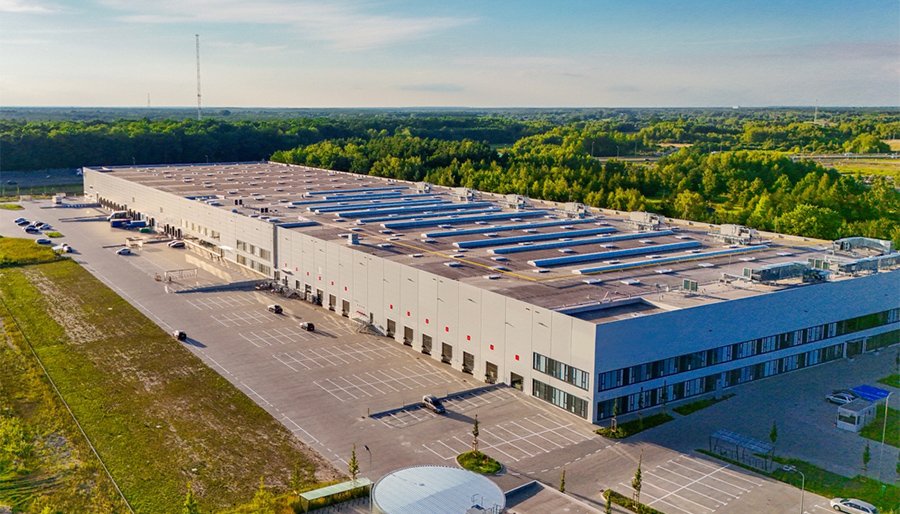
We build for logistics and distribution owners: third-party logistics operators, regional carriers, manufacturers adding finished-goods storage, e-commerce fulfillment firms and the developers who build speculative space for them. These owners care about dock counts, clear height, truck court depth and how quickly a building can receive its first trailer. We build to those measures, and we price them in terms operators recognize.
A good logistics building looks simple, and it rarely is. Slab flatness, column spacing, fire protection design and trailer maneuvering all decide whether the building works on day one and ten years later.
Where we build for freight and distribution owners
The Port of Catoosa is a 2,000-acre industrial park with over 50 companies and nearly 3,500 workers at the head of navigation for the McClellan-Kerr Arkansas River Navigation System, and the state announced in February 2026 that a company had chosen the port for its U.S. headquarters, with nearly 300 new jobs. Nearby, Catoosa and the port area are our first stop for owners who need water, rail and truck access together.
North of Broken Arrow, Cherokee Industrial Park in Owasso covers more than 1,300 acres and has hosted a 1.3-million-square-foot distribution center. Claremore's industrial park is 225 acres and was described as certified site-ready, with access to Interstate 44, the Will Rogers Turnpike, BNSF, Union Pacific and the port. Further south, Glenpool describes shovel-ready industrial land on Highway 75, ten miles south of I-44. We work in all of these, and in the smaller industrial parks inside Broken Arrow.
Reading freight demand in the Tulsa metro
Demand for logistics space follows access. In Broken Arrow, the Creek Turnpike links the Turner Turnpike with the western end of the Will Rogers Turnpike, while the Broken Arrow Expressway leads to downtown Tulsa. The Creek 51 Business Park and Jackson Mills, both at Highway 51 and the Creek Turnpike, sit along that industrial corridor with city water and wastewater and Public Service Company of Oklahoma power.
The region's aerospace and manufacturing base generates its own freight: parts in, finished components out. A major airline maintenance base at Tulsa International Airport, an engine facility adding work bays and a growing composite materials project mean that air cargo and specialty trucking have steady demand for nearby space. Owners should examine these patterns closely, and we help by pricing options in different locations so the site decision includes the cost of getting the building built.
Buildings and sitework we deliver
We build warehouses and distribution centers with the clear heights, dock configurations and floor flatness that modern operators require, as well as cross-docks, small-bay flex buildings, cold storage and rail-served transload facilities. A rail-served site needs track coordination, a sound subgrade for spur loads and clear communication with the railroad; the Port of Catoosa's industrial railroad offers railcar storage and transloading, and sites near it may benefit from that service.
The exterior work often costs as much as the building. Truck courts, trailer parking, dock aprons and entrances require thick concrete or heavy-duty asphalt, drainage that keeps water away from dock doors and lighting that supports night operations. See our pages on truck courts and dock aprons and distribution centers for more detail on how we build them.
What moves the price of a logistics building
Pricing a warehouse starts with a few variables: building size, clear height, dock count, floor loading, fire protection and site conditions. Fire protection is frequently the largest single surprise, because high-piled storage and commodity classification can require more demanding sprinkler designs or even in-rack protection. We ask for the intended storage and commodity at the start, and we confirm with the fire marshal and insurer before locking a design.
Site cost depends on whether the land is graded and serviced. A site described as shovel-ready may still need detention, utility extensions or soil work, and the red clay in the region reacts to moisture. Concrete is a major cost for a high-traffic yard, so thickness, joint spacing and subgrade preparation get serious attention in our estimates. For a speculative building, we also present options for tenant-ready upgrades that can be added when a lease is signed.
Concrete, earthwork and tilt-wall under close control
Logistics buildings are mostly slab, walls, roof and pavement. We schedule and supervise the concrete and a large portion of the site work, which gives us direct control over the items that dominate cost and schedule. A flat slab with well-detailed joints supports forklifts and automation for years; poorly built, it creates maintenance problems that tenants notice immediately.
We also coordinate tilt-wall panels, structural steel and pre-engineered metal buildings, depending on the project. Our warehouse construction services include a candid conversation on which structural system fits your budget, schedule and height requirements, and what each would mean for the roof and the dock layout.
Getting the first trailer in sooner
Logistics owners are usually trying to meet a customer commitment or a seasonal peak. We build schedules that sequence site work, slab and structure so that dock doors, power and fire protection can be inspected as early as possible. Early release of the building for racking installation can be as valuable as early completion of the whole project, and we plan access, power and temporary lighting so that racking and automation crews can start while finishes are completed.
Because manufacturing and logistics often share a campus, owners who also need production space may want to read about our work for manufacturers, and those who lease to operators will find our developer page relevant too.
Tell us the freight, the footprint and the date
Send us the cubic requirement, dock count, rail or water needs and your target date. We will compare sites, return a cost range and outline the schedule drivers so you can make a decision with the numbers in hand.
Common Questions
How do you handle high-piled storage and fire protection?
We get the storage plan early, identify commodity class and rack heights and coordinate with the fire protection engineer and the fire marshal. Changes after the permit can be expensive, so we raise the question during preconstruction. If a future tenant might need different storage, we can price a design with flexibility built in.
What clear height should a new distribution building have?
That depends on your operation and your racking system. Higher clear heights increase storage density but also raise steel, wall and fire protection costs. We price several heights so you can see the tradeoff and decide whether the extra cubic capacity pays back.
Can you build a rail-served facility?
Yes. We coordinate with the railroad or short-line operator on spur design, track loads and clearances, and we build the slab and aprons to handle loading operations. Rail service in the area includes Union Pacific through Broken Arrow and interchanges at the port.
How do you control concrete quality in a large yard?
Through subgrade testing, careful mix selection, proper joint layout and curing. We test the concrete and keep records for each pour. The goal is a surface that resists cracking at dock aprons and entrances where trucks turn and brake.
Do you build for tenants who need to be operational quickly?
Yes. We recommend early involvement, early ordering of dock equipment, and a defined turnover plan for racking and automation vendors. We also keep a close eye on utility connections, which often decide opening dates.