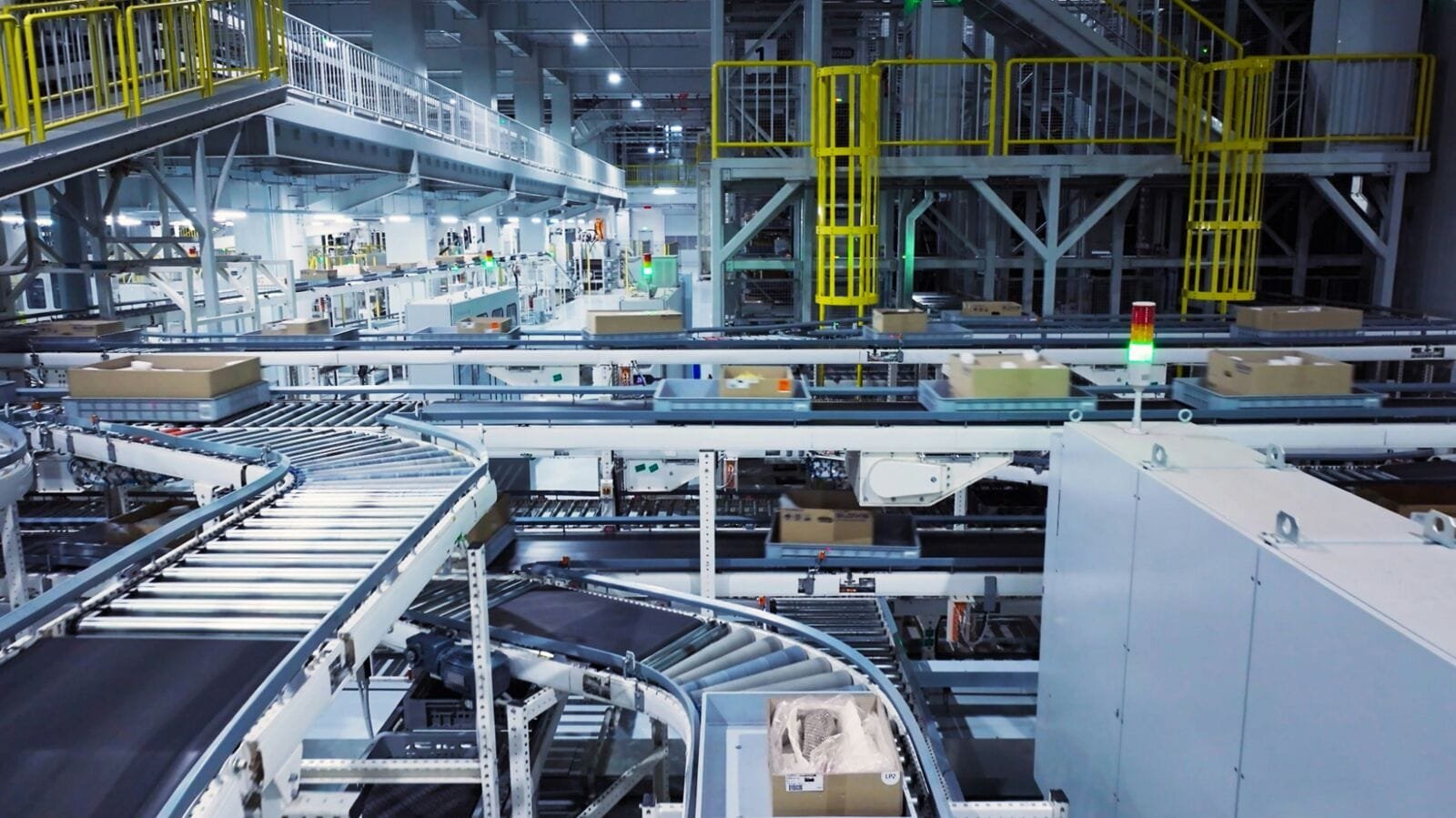
A 200,000-square-foot expansion at a combustion technology campus on the Broken Arrow industrial side, set to bring manufacturing staff there to nearly 200 people, is the sort of project that shows what manufacturing growth looks like in this city: not one giant plant arriving from elsewhere, but local companies adding buildings next to the ones they already run. For the plant manager or operations vice president involved, the build is a delicate matter, because production continues next door while the crane, the concrete trucks and the steel crews work.
We build for manufacturers across Broken Arrow and the Tulsa metro. The city's economic development directory lists producers of burners and heat exchangers, switchgear, films, filters and engineered products, along with aerospace firms in maintenance, simulation and defense electronics. Their buildings differ, but their owners ask the same questions: how long, how much, and how do we keep making product while you build?
We answer those questions with a plan that starts from the process, not from the building. Where the product moves, where the heavy equipment lands and where utilities must be delivered decide the structure, the slab and the schedule more than any drawing convention.
Where manufacturing is growing in the metro
Within Broken Arrow, the main industrial pockets are the Creek 51 Business Park at the Creek Turnpike and Highway 51, the Arrow Forge district off the turnpike near Olive Avenue and the older Hemlock, Beech and Detroit Street areas. At Arrow Forge, an aerospace maintenance, repair and overhaul firm was reported to be receiving 10 acres for a 40,000 to 50,000 square foot manufacturing expansion with a minimum $5.5 million capital investment and about 50 new full-time jobs over five years, pending a council vote at the time of the report.
Beyond the city, a heat exchanger manufacturer in Wagoner planned 100 new jobs and received state incentive approval, while a company in Owasso planned to renovate a 1.3-million-square-foot former distribution center on 72 acres with a roughly $300 million investment. Skiatook's industry list includes a manufacturing plant for a combustion equipment maker. Each of these shows a different path: expand in place, buy and renovate, or build new on a prepared site. We help owners weigh them against each other, including Owasso and Wagoner.
What we manage most closely on a plant project
Manufacturing buildings are heavy on foundations and floors, and those are the areas where close trade management matters most. Our trade partners place and finish industrial slabs with the flatness, reinforcement and joint layout a process requires, pour equipment pads and trenches and build the grade beams and piers that support heavy loads, and we schedule and inspect each step. Managing this closely means fewer handoffs, faster sequencing and better control of the thing that is hardest to fix after production starts.
We also manage the structural steel, metal panel and tilt-wall packages that typically make up a plant's shell, and we coordinate crane runways, mezzanines and equipment installation. For owners who need a hands-on look at foundation options, our concrete foundation work and commercial concrete floors pages describe how we approach those pieces.
Quality records matter on plant work because the owner's engineers will ask for them. We keep batch tickets, slump and strength results, rebar inspection photos, flatness and levelness readings and joint-cutting logs organized by pour, so that if a machine vendor questions a tolerance months later, the answer is a file, not a recollection.
Plant projects we are ready to take on
Typical requests include expansions to an existing plant, new standalone production buildings, high-bay assembly space with overhead cranes, clean or controlled-environment areas, test cells and research labs, warehouses attached to production, and office or training space for the workforce. Many manufacturers also need yard improvements, truck courts, employee parking and stormwater features, which we build as part of the same contract.
The key to scoping is understanding the equipment. We ask for a layout, a utility load list and the delivery date of each major machine, and we use them to size electrical service, slab thickness, ventilation and rigging paths. The aerospace and combustion industries in this area tend to have unusually specific needs, such as large test bays, precision floors and special exhaust, and we are comfortable working with process engineers who will specify them. For heavier industrial projects, see manufacturing plant construction.
Keeping production running while we build
Expanding next to a live plant means managing dust, vibration, noise, truck routes and shared utilities. We prepare a logistics plan that separates construction traffic from product and employee traffic, defines laydown areas and sets rules for shutdowns. A tie-in to existing electrical, gas, compressed air or process water is scheduled on a weekend or planned outage and rehearsed beforehand.
Utility availability also deserves attention. Industrial parks in the area are served by Public Service Company of Oklahoma electric, Oklahoma Natural Gas and city water and wastewater, and a plant's load can require upgrades. We ask the providers early and build their lead times into the schedule. Where a manufacturer's growth requires a new site, the trade partner team for site development can handle grading, utilities and paving under one contract.
Neighbors in the industrial community
Manufacturers do not work in isolation. They depend on logistics providers, developers who build speculative space and public agencies that extend roads and utilities. Our logistics and distribution page describes how we work with the carriers and warehouse operators who serve plants, and our developer page covers owners who build spec buildings for future tenants.
Workforce is part of the picture too. A career-technology campus across the street from one industrial district trains welders, machinists and mechatronics technicians, which matters for any manufacturer deciding whether to expand locally. We like working in a place where the owner can often find the people to run the building we hand over.
Send us the process layout and the target date
Provide the equipment list, the site and the date you need production to start. We will return a preliminary schedule, a cost range and the questions that decide the foundation and utility design.
Common Questions
Can you build next to an operating plant without shutting it down?
In most cases yes. Separation of traffic, careful scheduling of noisy work, vibration monitoring where equipment is sensitive and pre-planned utility tie-ins make it possible. We discuss production calendars with your team and avoid peak shipping periods when we can.
How do you handle heavy equipment foundations?
We coordinate with the equipment supplier's foundation drawings, review soil conditions with your geotechnical engineer and size the pads, piers or mat to match the loads. Red clay and moisture cycles are considered in the design, and we place sleeves, anchor bolts and embedded plates to tolerance.
What is the typical timeline for a 100,000-square-foot plant addition?
It depends on design, permitting and long-lead items, but a typical addition moves through design, permit, site work, foundations, shell, utilities and fit-out. We provide a schedule at the concept stage with the main driver items identified and refine it as drawings advance.
Do you coordinate with machinery installers?
Yes. We schedule floor curing, rigging access, power availability and clean-up so installers can start on time. We also invite them to preconstruction meetings, since their needs often change the slab, the door sizes or the crane layout.
Can you help with incentives or site selection?
We are not incentive consultants, but we can provide construction cost and schedule information that your site selection team and economic development partners need. Cities and the state both use cost and job data in their decisions, so good numbers help.