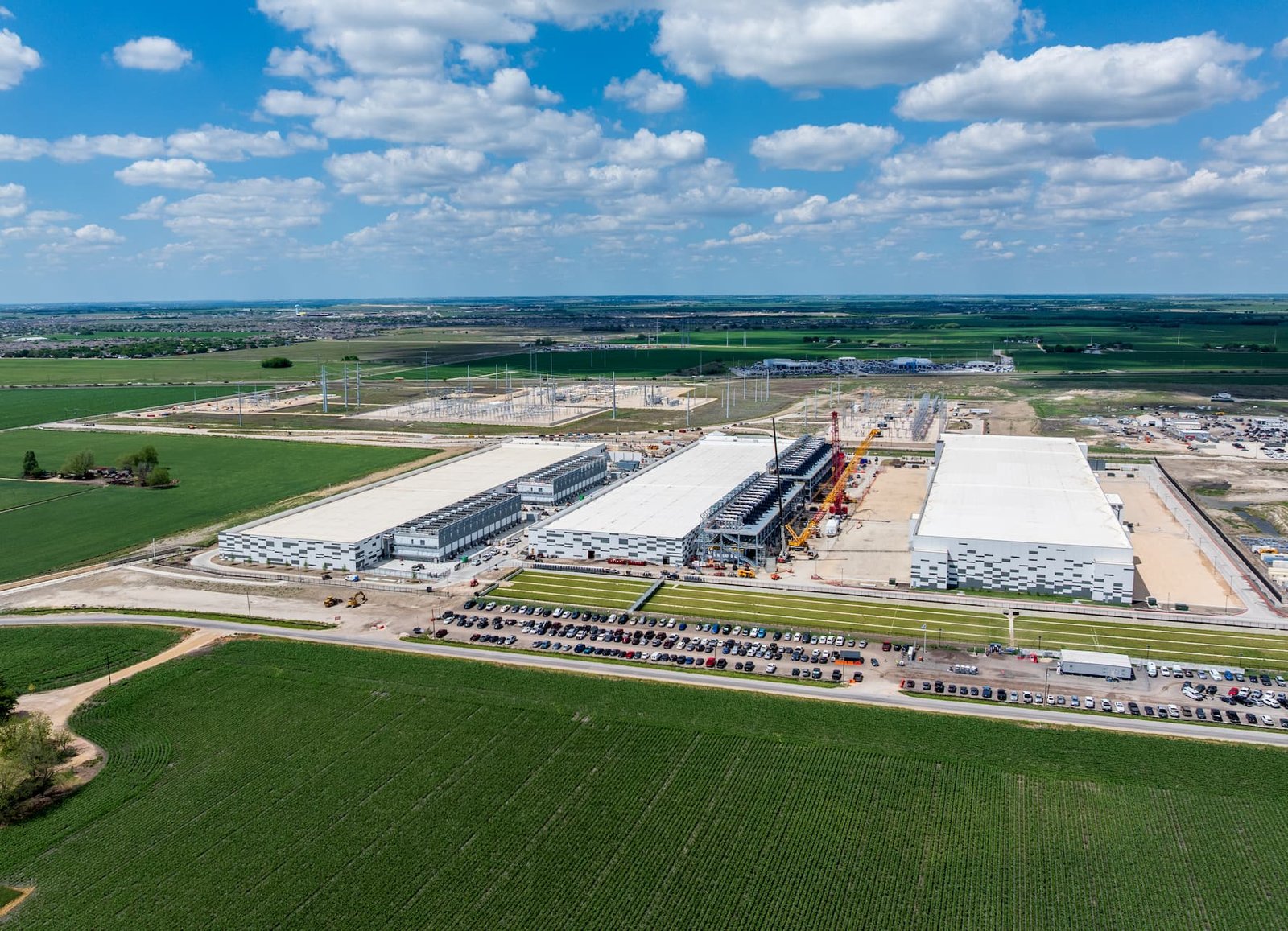
Within a few months of each other, four large data center proposals took shape around Tulsa, and they have not all gone the same way. A $1 billion, 2-million-square-foot campus was announced for east Tulsa. A 506-acre campus was announced west of Owasso. A city council approved an 827-acre project north of Sand Springs that has since drawn lawsuits over title. A 270-acre hyperscale proposal in Coweta was withdrawn without explanation. For anyone planning a data center in this market, the lesson is useful: land, power and approvals decide the schedule long before concrete does.
We build the parts of a data center that sit around the servers: the site, the utilities coordination, the structural shell, the slab, the envelope and the support buildings, and we coordinate with the mechanical and electrical teams who fit out the white space. Smaller enterprise rooms, edge facilities and colocation buildings are the natural fit for a regional builder, and we are also comfortable taking site and shell packages on larger campuses where an owner wants a local team on the ground.
What follows is how we approach the work in the Broken Arrow and Tulsa metro, where you will meet the same questions about power, water and permits on nearly every project.
What the Tulsa pipeline tells owners
The Tulsa Regional Chamber reported on April 22, 2026 that a data center in east Tulsa on the 2,000-acre Fair Oaks industrial innovation park expects more than 1,000 construction jobs at peak, about 100 permanent jobs, more than $25 million in local road and water improvements and an expected 2028 start of operations. In August 2026, News On 6 reported on the Owasso-area campus, which has Public Service Company of Oklahoma power, an on-site substation funded by the developer and 1.5 miles of new water lines. Those facts describe what a serious project asks of the host community: substation capacity, water, roads and a lot of construction labor.
The Sand Springs and Coweta stories carry a different message. Wikipedia reports that the Sand Springs project would be built on annexed land with the company funding a new substation and transmission lines, and News On 6 reported in September 2026 that it may be stalled by a title discrepancy. In Coweta, the developer withdrew a proposal without giving a reason. Entitlement risk is real, and an owner should price it into land decisions. We track these developments on our pages for Sand Springs and Cherokee Industrial Park.
The shell, the slab and the support buildings
A data center shell looks like a simple tilt-up or steel box, but almost everything about it is shaped by the equipment inside. Floor loads for heavy racks and battery rooms, clear heights for overhead cable trays and containment, wide doors for equipment moves, and roofs that can carry rooftop chillers or condensers all drive structural design. Many owners choose tilt-wall for its mass and fire resistance, while smaller edge facilities often use pre-engineered metal buildings. We explain both so you can compare cost and schedule.
Outside the building, a data center needs a generator yard, a utility yard with the substation tie-in, fuel storage, security fencing and carefully engineered stormwater. Those pads and slabs get the same attention as the data hall, because the generators and chillers they hold must work when everything else has failed. Our data center construction work covers these site elements together.
Power, procurement and the critical path
On most data center schedules the critical path is the electrical service. Utility studies, transformer and breaker deliveries, and generator lead times can run longer than the construction of the shell itself. That is why we ask owners to start the utility conversation before the site purchase closes, and to confirm lead times for switchgear, generators, UPS systems and chillers before locking a completion date. We recommend placing orders as early as your risk tolerance allows, and our long-lead procurement practice is designed around that discipline.
Commissioning is the other schedule item owners underestimate. Integrated systems testing, load bank testing and failover trials take real time, and they can only start after power, cooling and controls are all in place. We build commissioning into the baseline schedule from the start and keep the punch list moving alongside it.
Codes and approvals
The Oklahoma Uniform Building Code Commission adopted the 2024 International Building Code as the statewide minimum for commercial construction, effective September 14, 2026, and the 2023 National Electrical Code took effect September 14, 2024. Tulsa still lists the 2018 ICC codes and the 2020 NEC for commercial permits, with an update pending January 1, 2027, so a project's edition depends on which jurisdiction issues the permit. Data centers also bring fire suppression choices, such as pre-action or clean-agent systems, and early smoke detection that the fire marshal will want to review.
Beyond the building permit, a campus needs zoning or annexation approval, utility agreements, stormwater permits and possibly road and water commitments to the host community. We help assemble those requests and keep a log so nothing slips between the city, the county and the utility.
Who we build for in this market
Most data center buyers in the region are developers, hosting companies and enterprise owners who want a regional presence. Developers often ask us about spec shells for future tenants, and our work with commercial real estate developers addresses how to stage that risk. Companies in manufacturing sometimes add a purpose-built data room or a small edge facility on their own campus, which we can build as a standalone addition.
If you are early in your search and not sure which site or building type fits, we are glad to talk through the options with you and your engineers. The right answer in this market is often a mid-sized building near existing power rather than a large greenfield campus.
Planning a data center or edge facility?
Tell us the load, the site options and the utility status, and we will help you test the schedule, the shell design and the approvals path.
Common Questions
How long does it take to get power to a data center site near Tulsa?
It depends on the load, the substation capacity near the site and the utility's queue. Large projects in the region involve dedicated substations and new transmission lines funded by the developer, which add months or years. For smaller loads near existing infrastructure, the studies and equipment deliveries are shorter, but you should still ask the utility for a written schedule before closing on land.
Is water a limiting factor for data centers here?
It can be. The Owasso-area proposal includes 1.5 miles of new water lines, which shows that cooling water is a utility item to plan for. Air-cooled and closed-loop designs reduce water use but raise power use, so the choice is a tradeoff your engineer should price against the water available at the site.
Which site risks should I check before buying land?
Check title, zoning or annexation status, floodplain, utility capacity and the likelihood of litigation or community opposition. The Sand Springs and Coweta stories show that a project can stall or end on approvals even with a willing council. A good title report and early outreach to neighbors are cheap compared with a stalled project.
Can a regional builder handle a mission-critical project?
For enterprise, edge and colocation scale, yes, with the right design team and commissioning agent. We manage the shell, site and coordination while specialty mechanical and electrical teams deliver the critical systems. For campus-scale work, we are a strong fit for site development and shell packages.
Do data centers need special fire protection?
Usually yes. Pre-action sprinklers, clean-agent suppression and very early smoke detection are common in the data hall, and the fire marshal will review the design. We coordinate the system choice with your engineer and the authority having jurisdiction before the drawings are finalized.