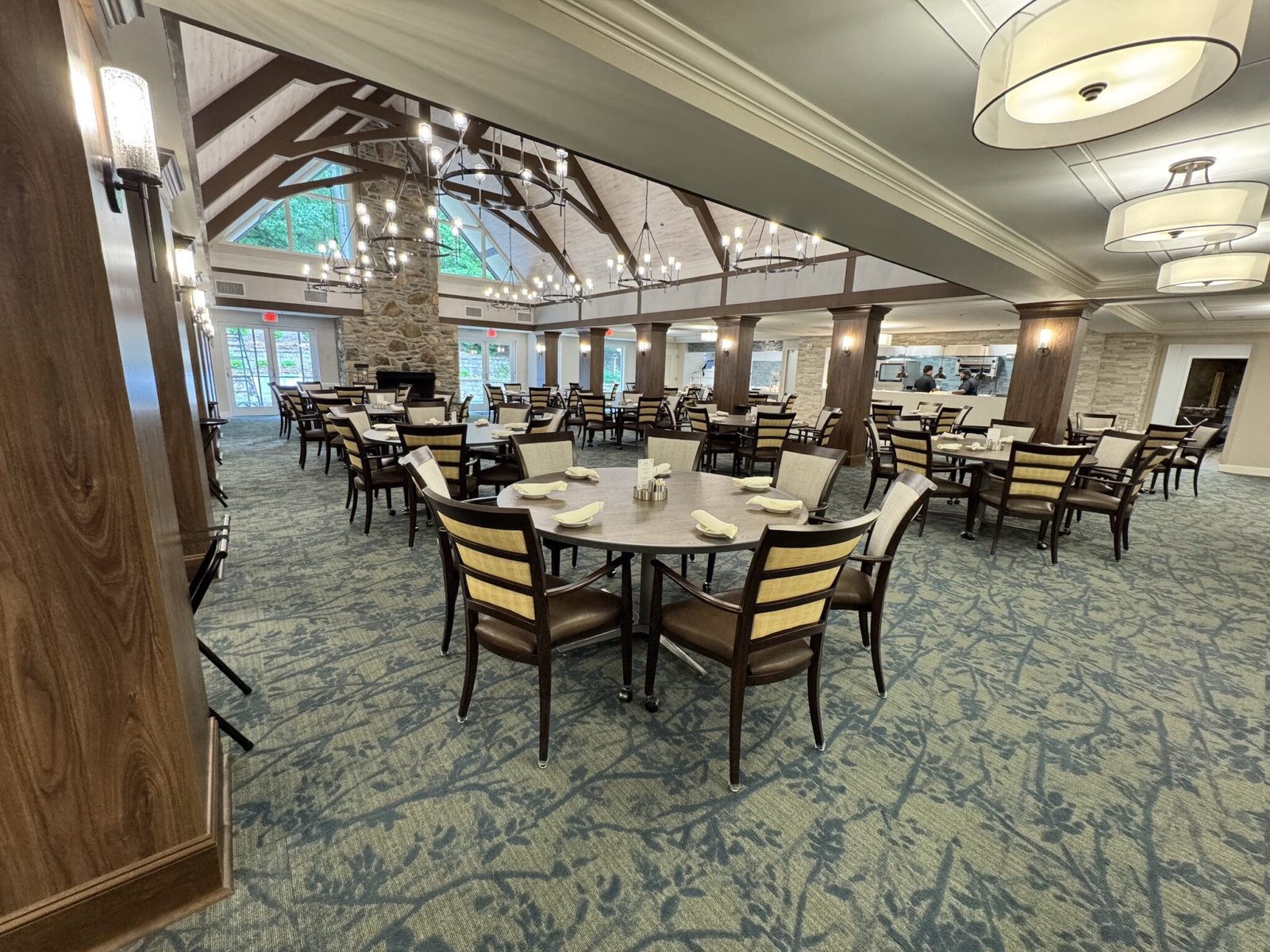
Forty-six hotel rooms, a 35,000-square-foot gaming floor with 750 machines and 250 permanent jobs, all inside a 104,000-square-foot building on 17 acres at the corner of East 131st Street South and State Highway 51 in Coweta: that is one recent example of how a hospitality project in this region combines lodging, entertainment and operations under a single roof, and why the builder has to understand the guest experience as well as the structure.
We build for hospitality groups across Broken Arrow and the Tulsa metro: hotel owners and franchisees, restaurant operators, venue developers and entertainment companies. The common thread is that every month before opening is a month without revenue, and every shortcut that shows up in a guest room, a kitchen or a lobby becomes a review online. We aim to give owners a schedule they can trust and a finished building that holds up to daily use.
Visitor-driven demand around Broken Arrow is growing in clear ways, with a new amphitheater, a revitalized downtown and several regional destinations within a short drive. Each of them shapes where lodging and dining make sense next.
Demand drivers for lodging, dining and venues
The Sunset Amphitheater, a 12,500-seat venue near the Broken Arrow Events Park at 101st Street and the Creek Turnpike, was expected to open in the fall of 2026. The state Department of Commerce announced up to $39.5 million in matching funds for the project, which carries a committed $71.5 million capital investment and an estimated 600 direct and indirect jobs. Events Park itself reopened after a closure for infrastructure work, with roadway upgrades, a new turnpike ramp reachable from inside the park, better parking and a pedestrian bridge.
A venue of that size creates concentrated demand for rooms, restaurants and parking on show nights, though owners should do their own market study to size any project. Downtown, the city council approved a plan to double the Rose District plaza, adding a larger pavilion, a permanent stage and expanded food truck space. Toward Catoosa, a large casino resort is a major employer, a reminder that regional destinations draw guests from across the metro. For specific sites near the turnpike, the Events Park area is where we would start the conversation.
What changes between a hotel, a restaurant and a venue
Each hospitality type has its own construction logic. A limited-service hotel is a repeatable box with a tight franchise brand standard, and our attention goes to the brand's inspection schedule, the guest-room mockup and the mechanical system that serves every room. A full-service property adds kitchens, ballrooms and back-of-house circulation. A restaurant compresses everything into a smaller footprint where hood, grease interceptor and refrigeration decisions govern the schedule.
Venues add crowds. Egress width, restroom counts, accessible seating, security screening and sound control all affect the layout, and the fire marshal pays particular attention. We bring in the design team and the city early, and we build mock-ups where finishes or acoustics are critical. For restaurant owners, our restaurant construction experience covers grease handling, hoods and health department review in detail.
Conversions deserve their own mention. A vacant retail box, an older motel or a downtown storefront can become a boutique hotel, taproom or event space for less than new construction, but only after someone has verified the structure, the fire separation between uses and the accessibility path from parking to entry. We walk those buildings with you before you buy, tell you what we see and price the likely repairs, so a conversion does not turn into a surprise.
Where hospitality budgets are won or lost
Furniture, fixtures and equipment can approach the cost of the building itself, and owners often discover that the FF&E package, the kitchen equipment and the technology systems were underbudgeted. We list those items in the construction budget as owner-furnished or contractor-furnished and track who is responsible for ordering, receiving and installing each. A pre-opening budget that omits them is not a real budget.
Site utilities matter as much as the building. Water demand for a hotel with laundry, pool and kitchen, electrical service for a large kitchen and venue lighting, and sewer capacity can each drive impact fees and schedule. We confirm availability with the providers early, and we show you the cost of alternatives, such as a smaller pool or a different laundry approach, so you can decide with the numbers in view. On a larger lodging project, hotel construction planning starts with this utility conversation.
Hospitality buildings we are ready to build
We build select-service and extended-stay hotels, boutique hotels and conversions of older buildings, restaurants and bars, event spaces and entertainment venues, and casino-adjacent lodging projects. In a downtown setting like the Rose District, mixed-use buildings with a hotel or restaurant on the ground floor and housing above are part of the mix, and our experience with multifamily and mixed-use buildings helps us detail the interface between hospitality and residential uses.
Each of these buildings has one question in common: how much of the experience is permanent construction and how much is furniture, lighting and signage that can be adjusted after opening? We help owners decide where permanence is worth the cost and where flexibility will serve them better.
Opening on the date the marketing team announced
Hospitality openings are public events. Marketing, staff hiring, booking systems and brand inspections all depend on the construction schedule, so we work with your pre-opening team to set a soft-opening and a grand-opening date, with buffer between them. A hotel typically needs time after construction for staff training, equipment checks, linens, inventory and punch repairs, and we protect that period.
When a project is tied to a venue opening or a major event, the date does not move. We use early procurement of long-lead items, off-site prefabrication where it makes sense and a daily coordination meeting during finishes to keep the critical path visible. Owners who also manage retail frontage or other tenants may find our retail chain page useful for comparison, since the delivery pressures are similar.
Let us look at your site and your opening date
Share the concept, the parcel and the date your team wants to announce. We will respond with a schedule outline, cost range and the questions your brand or lender is likely to ask. If you lease restaurant or lodging space to others, our page for property management firms explains how we handle turnovers and repairs after you open.
Common Questions
How do you coordinate with a hotel brand's standards?
We obtain the brand's current design and construction standards at the start, compare them to the drawings and raise conflicts before pricing. We also schedule the brand inspections and mockup approvals as formal milestones, since failing one can delay opening.
What is the biggest schedule risk on a restaurant?
Usually equipment lead time, hood and utility coordination, and health department review. We order long-lead equipment as early as the design allows and meet with the health department before the plans are final to prevent redesign.
Can you build a hotel that fits an entertainment district?
Yes. The design must respect noise, traffic and parking realities, and we work with your architect to address them. We also look at construction logistics, since staging space around busy venues is limited and neighbors have an interest in how we work.
Do you offer a fixed price for hospitality work?
We can, once the design is far enough along. Early in design we give a range with stated allowances. As drawings mature, we convert the range into a guaranteed maximum price or lump sum, depending on your preference, and keep a clear list of exclusions.