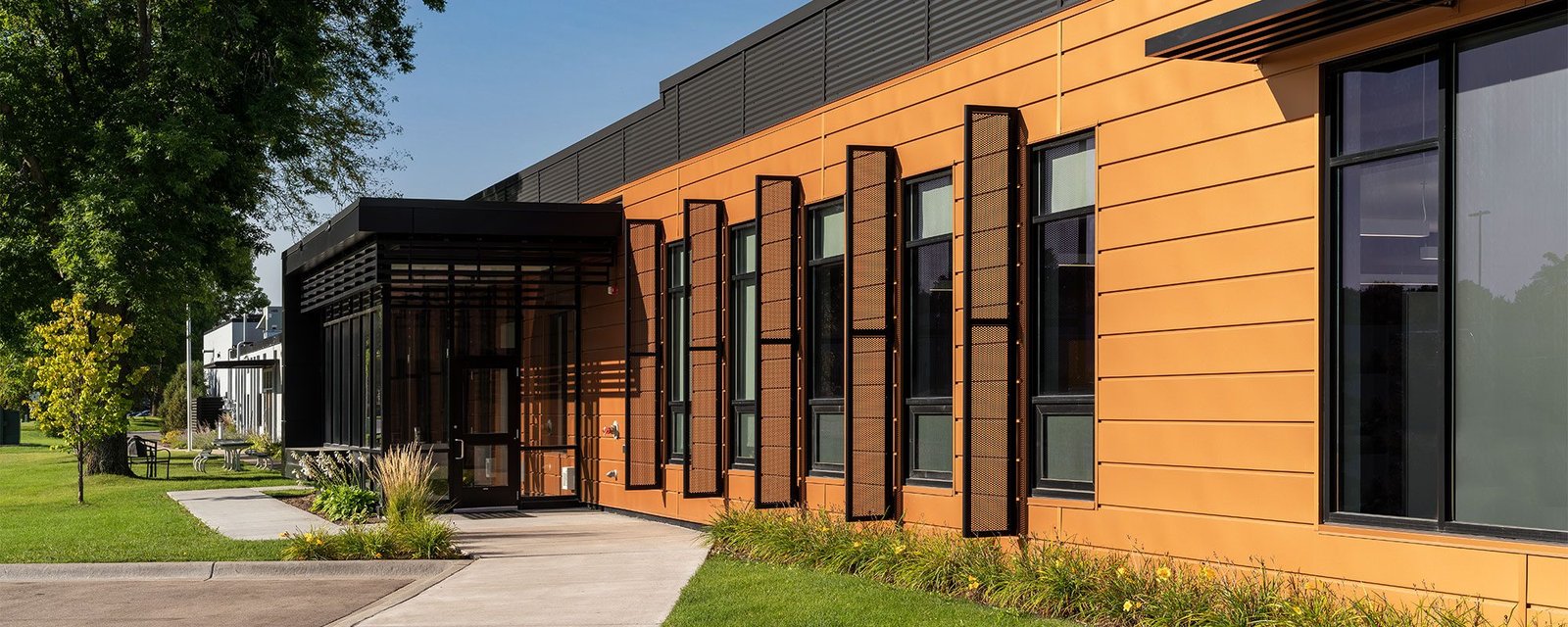
A 7,443-square-foot building on Hemlock Circle with 19-foot clear height, a single dock-high door and 400-amp three-phase service is the kind of space property managers in Broken Arrow lease again and again, and every turnover is a small construction project in disguise. Someone has to patch the slab, move a demising wall, add a drive-in door or bring a sprinkler head back into compliance, and the best outcome is that nobody on your tenant side notices the work happened.
We work for property management firms that look after industrial parks, neighborhood retail, mixed-use buildings and small offices around Broken Arrow and the Tulsa metro. Our role sits between the owner who wants capital protected, the tenant who wants to keep operating and the city inspector who wants the paperwork right. We keep all three informed in plain language.
Managers rarely have the luxury of a long preconstruction runway. A tenant gives notice, an inspection comes back with items, a storm moves through. We keep a way of working that is quick to price, careful about access and honest about what we find above the ceiling or under the floor.
The turnover and repair work we take on
Most of what property managers hand us falls into a handful of categories: tenant turnovers and build-outs, envelope and roof-adjacent repairs, parking and drive repairs, dock and overhead door work, and code or insurance items that must be closed out by a deadline. The older flex buildings in the Hemlock, Beech and Detroit Street industrial pockets are typically metal and concrete office/warehouse buildings of a few thousand square feet to a few tens of thousands, with 16 to 19 foot clear heights, and their needs are consistent: more power, another dock position, better lighting, a restroom that meets today's expectations.
We price these in clear scopes with allowances where hidden conditions are likely, and we report back with photographs and a short written summary at the end of each phase so your asset reports and owner updates are easy to write. When the work grows from a repair into a renovation, our renovation and adaptive reuse team already knows the building.
Keeping tenants safe while we work
The occupied building is the hardest place to build. Dust, noise, deliveries and customer parking all compete with the work, so we write a short logistics plan for each job that covers where we stage, which doors we use, what hours we run loud tasks and how we protect a neighboring suite's air handling. Anything that touches a life-safety system, such as a sprinkler shut-off or a fire alarm outage, is announced to you and the tenant in advance and coordinated with the fire department's expectations.
Oklahoma adopted the 2024 International Fire Code statewide effective September 14, 2026, and expressly chose not to adopt the 2021 edition for any purpose, so managers with older records should treat fire protection items as moving targets. We bring that into the scope early. For work that must continue while tenants stay open, our phased construction approach for occupied sites breaks the project into zones with separate protection and punch lists.
Turnaround on a tenant clock
Vacancy costs money every week, and property managers know the number to the dollar. We build turnover schedules backward from the lease start, then work out which items control the date. It is usually not the framing; it is a long-lead overhead door, a utility meter, a permit review or an inspection slot. We identify those on day one and order or request them while the scope is still being finalized.
We also keep a standing relationship with the licensed electrical, mechanical and plumbing trades we use, because Oklahoma requires trade licensing for that work and a scheduling gap on a licensed trade can stall an entire suite. When you give us a rolling list of units, we can sequence repeating work, such as restroom updates or lighting retrofits, across the portfolio to reduce mobilization time and keep pricing steady.
Services property managers call us for most
The calls we get most often are for tenant improvements, for parking lot and truck court repairs, and for phased work in buildings that will not empty out. Surfaces take a beating at dock aprons and entrances, and we handle those repairs with the same crews that pour new slabs, so the subgrade, joints and drainage are corrected, not just the visible surface.
On the retail and mixed-use side, a downtown building such as the four-story mixed-use project at North Main Street, which combines 96 apartments over 31,000 square feet of ground-floor commercial space, shows how many systems share one structure. A manager who oversees a building like that needs a contractor who can coordinate separate residential and commercial scopes without disrupting either. We bring the same coordination to smaller properties where an owner has apartments over shops or offices above a restaurant.
Properties we know how to maintain and improve
Our managers' portfolios usually include a mix. Small industrial and flex buildings dominate the northern industrial parks. Retail strips and neighborhood centers cluster along the Broken Arrow Expressway and near the Rose District, where the city has approved a plan to double the size of the downtown plaza as part of its 2026 bond package. When a plaza expansion changes foot traffic, adjacent storefront owners frequently rework entries and patios, and we support that with permit-ready drawings and well-sequenced construction.
If your portfolio leans industrial, we can speak to flex and light industrial buildings in detail. If it leans commercial, our work with real estate developers gives us a view of how newly built centers will age and where management teams will want better detailing from the start.
Send us the list of units that need attention
Tell us which buildings, what tenant dates are driving the work and any inspection deadlines. We will come back with a plan, a range and a sequence that keeps your tenants open. If your owners are also thinking about buying or adding multifamily product, our page on multifamily development explains how we approach it.
Common Questions
Can you give an order-of-magnitude price before I commit to a full scope?
Yes. For most repairs and turnovers we can walk the space, review photos and drawings if you have them, and send a range the same week. We label what is firm, what is an allowance and what depends on a condition we cannot see. If the range is right for your budget, we then refine it into a fixed scope.
How do you handle emergencies after a storm?
Severe spring weather, including tornadoes, reaches this part of Oklahoma, so we know the calls come at inconvenient times. We stabilize first: board-up, temporary protection, shoring and safe access. We then document conditions for your insurer and give you a repair plan with phases, so you can restore operations in order of priority.
Will you work with the tenant directly?
We communicate with tenants on logistics, access and schedules, while all cost and scope decisions go through you. That keeps the lines clear. We can attend tenant walk-throughs and provide written summaries after each one so you can verify what was discussed.
What documentation do you provide at closeout?
A closeout package with as-built markups, warranty information, permit sign-offs, inspection records and photographs of concealed conditions before they were covered. That package is useful when the building changes hands or when the next tenant arrives and needs to know what is above the ceiling.
Do you take on smaller jobs between larger projects?
Yes. Property managers often have a steady stream of modest repairs. We would rather build a reliable relationship through those than treat them as an interruption, and many of our larger jobs began as a small repair that went well.